
You do not need a precise rat count to start a useful conversation about a farm problem. A clear description of what you have seen, where it happened and how the area is used can give the team more useful information than an estimate based on one busy evening.
This guide is about gathering observations for an enquiry, rather than diagnosing every mark or giving a treatment plan. Severn Valley Ratters works on suitable farm and agricultural sites. Domestic houses and gardens are outside the service.
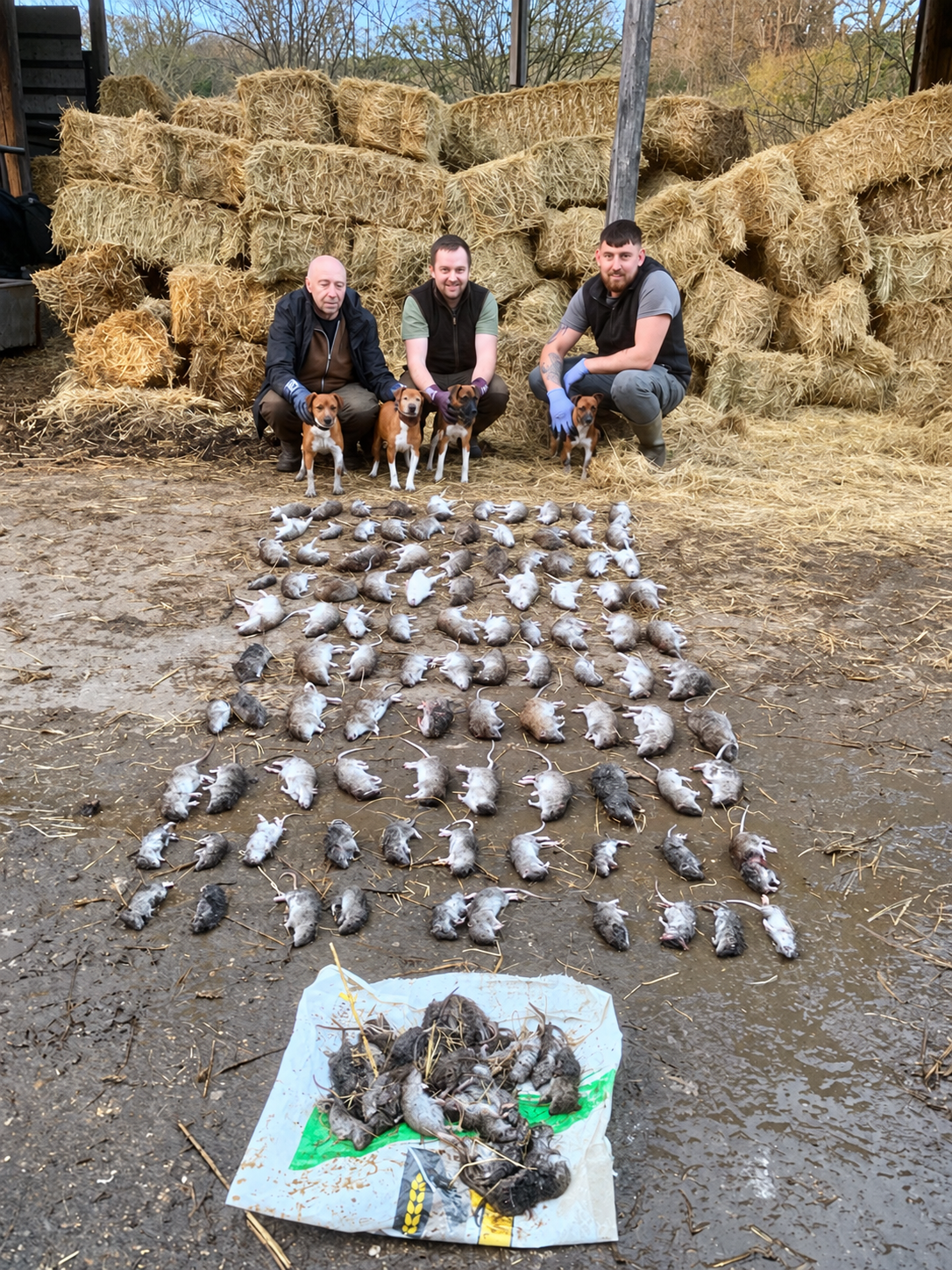
Start with the location and pattern
Note where rats have actually been seen: inside a feed store, beside poultry buildings, along a wall or around stacked materials. Record whether the sightings are repeated and roughly when they happen. Distinguish a direct sighting from a place where you only suspect activity.
Several observations from the same area can help explain the problem. You do not need to monitor constantly or get close to animals. Simply write down what you notice during normal farm work, without disturbing the area to produce more evidence.
Other signs worth describing
Possible signs can include droppings, gnawing, disturbed feed, runs and holes near buildings or cover. No single description in a message proves the species or the size of a population. Describe the sign and its location rather than presenting a conclusion you are unsure about.
If practical, a photograph taken from a sensible position may help show the layout or the affected area. Avoid handling droppings, moving suspect materials or entering an unsafe space just to collect evidence. A wider view of a building or access route can be more useful than a close-up with no context.
Explain the farm around the activity
The team needs to understand the working environment. Mention livestock and poultry, where feed is stored, whether machinery is operating nearby and which buildings remain in use. Describe narrow access, locked gates or areas where dogs cannot go.
If rats seem to be around bales, sheds or other structures, say what can realistically be accessed. Do not start moving heavy items before speaking to the team. Whether movement, digging or another practical method is appropriate depends on the site.
List existing control measures
Tell the team about bait, poison, traps or work by another pest controller. Include where those measures are in use and any relevant information you already have. This matters before dogs attend and helps avoid planning in isolation from other work on the farm.
This is not a request to change a treatment yourself. Keep existing arrangements clear and discuss any proposed changes with the person responsible for them. The team can then assess the enquiry with a more accurate picture.
Put the essentials in one message
A useful enquiry includes the farm postcode, type of agricultural site, the areas affected, what you have directly observed and any access restrictions. Add livestock details and existing control measures. If rabbits are also causing problems, mention them separately.
The postcode helps the team understand travel. Severn Valley Ratters is based in Worcestershire and travels to suitable agricultural jobs by arrangement. There is no need to guess whether you fall inside a particular radius before asking.
What happens next?
The team discusses suitability before agreeing a visit. Ratting with working terriers depends on access and the conditions present, and it cannot promise permanent removal from every part of a farm. Clear information supports an honest assessment.
Read about the farm ratting approach or send your enquiry. Observations and a short, accurate message are enough to start.