
A ratting visit starts with understanding the farm, rather than simply turning up with dogs. Rats around poultry buildings, stored feed or a busy yard present different access problems. The useful first step is to explain where activity is concentrated and what is happening around it.
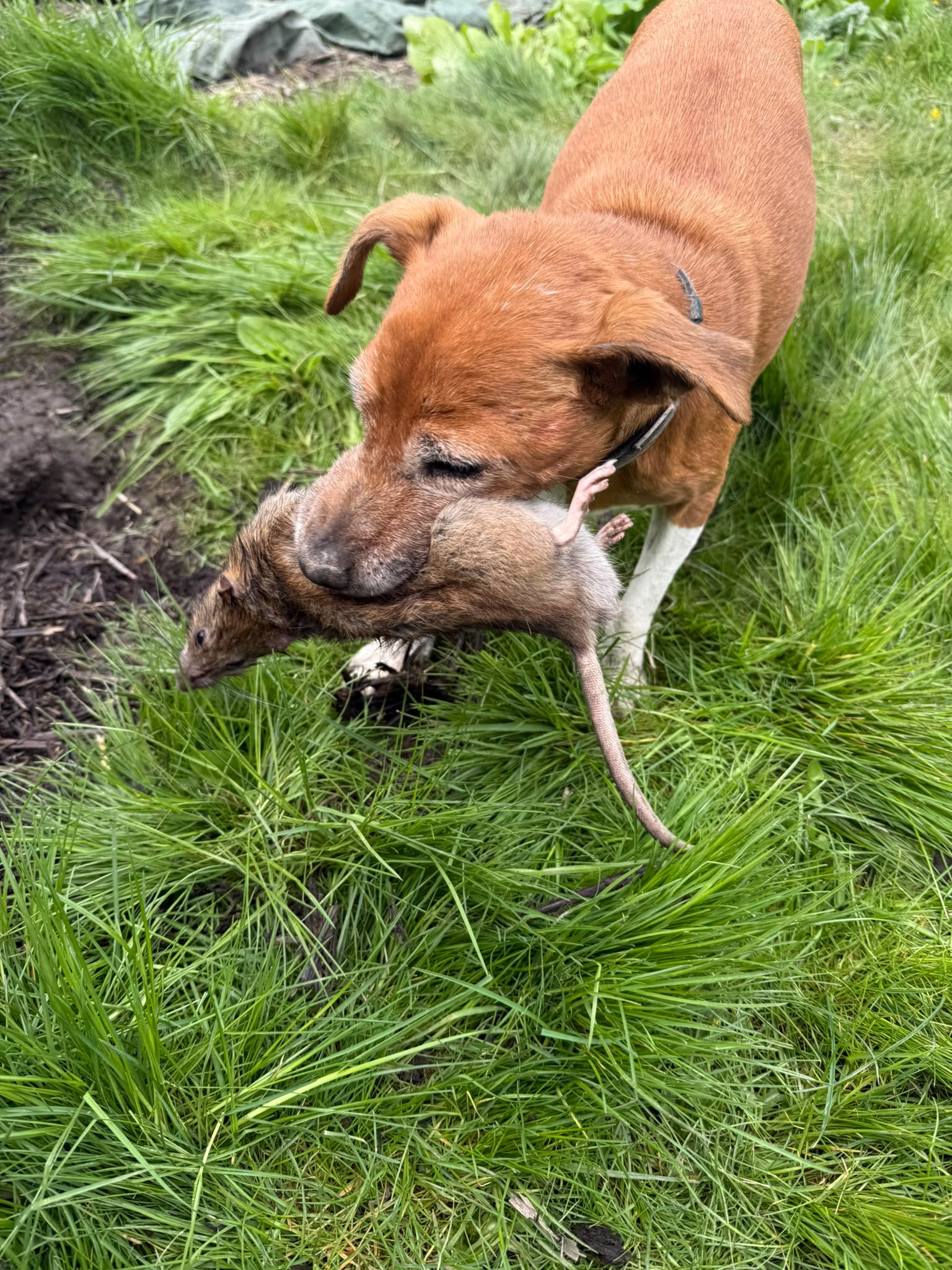
Severn Valley Ratters uses working Plummer Terriers alongside practical fieldwork on suitable farm and agricultural sites. The service is free, with suitability discussed before a visit. The team is based in Worcestershire and travels to suitable jobs by arrangement.
The first conversation
Send your postcode, describe the type of farm and say where you are seeing rats. A short account of repeated sightings, disturbed feed or activity around a particular building is more useful than a population estimate you cannot verify.
Mention livestock, poultry, other dogs and any bait, poison or traps already in use. If another pest controller is involved, explain that too. Existing control measures are part of planning a visit, not a detail to leave until the team arrives.
How terriers fit into the work
The Plummer Terriers are at the centre of the team’s ratting approach. The people working them assess the areas that can be reached and choose practical methods for the conditions. Depending on the site, smokers or targeted digging may be used.
Hay bales or chicken sheds can provide areas worth investigating, but moving them is a separate practical decision. The team discusses this with the farm where appropriate. Not every structure can be moved, and not every place where rats are suspected can be accessed.
Agree preparation before changing anything
It can be tempting to clear a suspected area before a visit. Speak to the team first. Moving heavy materials, disturbing a burrow or opening up a building may change the situation and introduce access problems of its own.
Instead, make sure you can explain which areas are in use, which gates provide access and what restrictions apply. Say if machinery, stock movements or deliveries will affect the proposed working area. A workable arrangement has to fit around the farm as it actually operates.
What a visit can and cannot tell you
Ratting can address accessible activity on the day. It does not establish that every rat on a farm has been removed. Hidden spaces, connected buildings and movement from surrounding ground all limit what can be concluded from one visit.
There is no fixed catch or complete-clearance promise. It is more useful to discuss what was accessible, where signs remain and what you continue to observe afterwards than to judge the whole problem by a single number.
The wider farm picture still matters
Available food and shelter can continue to attract rats. A dog-based visit does not replace attention to feed storage, spillages or the condition of buildings. Discuss ongoing activity with the team or your existing pest controller rather than assuming a quiet period means the problem is permanently resolved.
You do not need to diagnose every sign before enquiring. Clear observations, a location and an honest description of access give the team a useful starting point. The service is for farms and agricultural sites, not domestic homes or gardens.
Talk through your site
Read more about ratting with terriers, then send a farm enquiry with the postcode and a brief description. If rabbits are also an issue, mention them so the team can discuss the two problems separately.